Homeopathy for Gut Health | Natural Digestive & Microbiome Support
Gut health is at the centre of overall wellbeing, and homeopathy offers a gentle, holistic way to support digestive balance. Many people seek homeopathy for gut health when symptoms such as bloating, IBS, reflux, constipation, diarrhoea, food sensitivities or abdominal discomfort persist despite dietary or lifestyle changes. From a homeopathic perspective, gut symptoms are not isolated -they often reflect deeper imbalances involving the nervous system, hormones, stress levels and emotional health. This guide explores how homeopathic treatment for digestive issues can support the gut-brain connection and help restore balance naturally. I also explain what gut health is, how your microbiome influences the rest of your body, and practical gut health tips and natural remedies for gut health that you can start today.
Some signs of poor gut health include:
Diarrhoea / Constipation
Flatulence / Bloating / Belching
Stomach pain / cramps
Acid reflux / heartburn
Nausea / Sickness
Food sensitivities / Histamine issues
Your Gut health is about so much more than just digestive health – it's also about your emotions, hormone health, brain health, nervous system, anxiety, immunity, skin, allergies, etc (heard of the gut-brain axis?). If you are struggling with hormonal issues, mood changes, Anxiety, Acne, sluggish/lacking energy, joint pain, Hay fever, concentration, cravings then focusing on natural gut healing and using Homeopathy for digestive provblems could make a positive impact on your life.
What is Gut Health & Why It Matters
Over 1,500 years ago, Hippocrates, known today as the "father of medicine", said that "all diseases begin in the gut.". 'Modern' medicine is catching up with this wisdom and realising how impactful a good or bad gut can be to health – you will be hard-pressed to find a function in the body that doesn't relate to gut health. A balanced gut microbiome plays a key role in digestive health, nutrient absorption, stress regulation, and even immune function.
Gut health for hormones, mood and immunity
The gut plays a significant role in the production of 'happy hormones' such as serotonin and GABA. In fact, up to 90% of serotonin (a key feel-good, mood-regulating neurotransmitter) and around 50% of Dopamine (the reward/motivational molecule!) is produced in your gut. When the gut experiences inflammation or doesn't have enough beneficial bacteria, this can negatively affect your brain and mood by disrupting the production of hormones and neurotransmitters. Also, the gut's ability to absorb nutrients and produce short-chain fatty acids directly influences brain health. Additionally, certain types of gut bacteria assist in the release of stress hormones such as cortisol. Therefore, maintaining a healthy gut can influence how stressed or relaxed you feel, leading to better stress responses and reduced anxiety.
Did you know that over 70% of your immune system resides in your gut?
Too much or too little of certain bacteria in your microbiome can make you more susceptible to particular diseases, recurring infections and symptoms. The bacteria in our gut determine what foods we crave or dislike and how much of our nutrients we absorb, and certain intestinal bacteria are associated with obesity and metabolic disease (such as diabetes, high blood pressure/hypertension), putting you at a greater risk of a stroke and coronary heart disease. It's also understood that gut dysbiosis leads to a leaky gut, which is discussed as a key factor in the rise and progression of autoimmune disease. Recent research strongly suggests that gut health is a contributing factor to the development of chronic and long-term illnesses. This finding supports the existing clinical evidence on this subject.
Research shows that the gut microbiome influences immune regulation, inflammation, and even neurotransmitter production linked to mood and stress responses.
👉 https://www.mayoclinic.org/healthy-lifestyle/nutrition-and-healthy-eating/in-depth/probiotics/art-20046886 (optional, if you want a science-backed external reference)
Understanding the Gut Microbiome & Digestion
You have trillions of bacteria, viruses and fungi that live in your body and on your skin – this is collectively called your ‘microbiome’, and those in the gut are called your ‘gut microbiome’.
If your gut microbiome is in good shape, i.e., has lots of healthy diverse bacteria, it will protect and optimise your health and wellbeing, but it needs care and attention to thrive and be helpful to us. If imbalanced, meaning too many bacteria that cause negative symptoms, then this gives rise to disease and decline in health.

The role of the gut microbiome in our overall health…There is a two-way dialogue between the cells in the gut and other areas of the body, which means a gut bacteria imbalance can cause brain, mental and emotional health problems or trigger an immune response, skin reaction etc, and vice versa. ‘The gut-brain axis’ demonstrates this well – we are all familiar with having a ‘gut feeling’ or ‘butterflies in the stomach’, which links our gut to our emotions.
Also, a study in the USA found that IBS sufferers had double the rate of anxiety and depression than those without IBS, further demonstrating the gut-brain axis. Here is a summary of the functions of the gut microbiome;
-
Your gut microbiome signals to the endocrine glands in your body, letting them know how much of each hormone/chemical should be created and released into your bloodstream, e.g. insulin, cortisol, oestrogen, melatonin, thyroid hormones.
-
GABA, serotonin and dopamine are just some neurotransmitters/ chemicals produced by the nervous system in both the brain and the gut that regulate mood and mental health.
This area that produces the neurotransmitters is referred to as your enteric nervous system (the “second brain” of the gut). So, what you believe is coming from your brain may actually be derived from your gut. The wisdom known as ‘Gut instinct’ points to this link to emotions in our guts.
Studies have shown that your brain chemistry can change depending on the bacteria in your gut, so gut health can influence cognitive function and may have implications for conditions such as anxiety, depression and Dementia.
-
A healthy gut microbiome means more nutrients and energy from food.
In an imbalanced gut, you could eat a good diet but not absorb the necessary nutrients. Beneficial bacteria can produce essential vitamins and anti-inflammatory compounds – certain strains synthesise/make essential vitamins, e.g. b12, biotin, vitamin K. And they produce short-chain fatty acids, which have an anti-inflammatory effect.
-
Stimulating the Vagus nerve (one of the biggest nerves connecting the gut and brain) sends a message to your body that it is time to de-stress and relax (it activates the parasympathetic nervous system, rest and digestive system). This can lead to reduced symptoms of gastro disease, better moods and well-being.
Some practices stimulating the vagus nerve are cold showers/immersion, gentle touch at specific body points, massage (foot particularly), laughing, meditating, breathing techniques, humming, and singing.
-
A healthy gut microbiome helps regulate the immune response and reduce inflammation in the gut which is important for preventing chronic inflammatory conditions such as inflammatory bowel disease (IBD).
-
A healthy gut microbiome inhibits the growth of harmful bacteria and pathogens by producing antimicrobial substances and a physical barrier so the bad bacteria can’t attach to the gut lining and cause an inflammatory response.
The good bacteria also help stimulate the production of immune cells and antibodies, strengthening our immune defences and keeping the gut lining intact to avoid a leaky gut.
-
Imbalances in gut bacteria are linked to obesity metabolic disorders and can drive our cravings.
-
The gut microbiome assists in repairing damage to the intestinal barrier and supporting the formation of mucus, which acts as a protective layer to keep the lining intact to avoid a leaky gut.
What is a leaky gut? In short, it’s where you have gaps in your gut lining, allowing particles to leak out of the gut into other areas of our body, creating havoc and potential immune responses.
-
With some gas by-products. Excess gas can be due to the fermenting of certain non-digestible carbohydrates which has been linked to beneficial effects on gut health.
In summary, the gut microbiome plays a vital role in overall well-being, disease and various aspects of our health. Your gut could be the cause of you not feeling good, so let’s now learn how to spot poor gut health and how to improve gut health naturally.
Symptoms of Poor Gut Health
An imbalance in certain bacteria (gut dysbiosis) can trigger many digestive problems, lead to a leaky gut, cause mental and emotional problems (e.g. anxiety, depression) and can trigger an immune response (auto-immune, allergies, poor immunity due to a worn out system over firing all the time). Take a look at the broad range of symptoms…do any strike a chord with you?
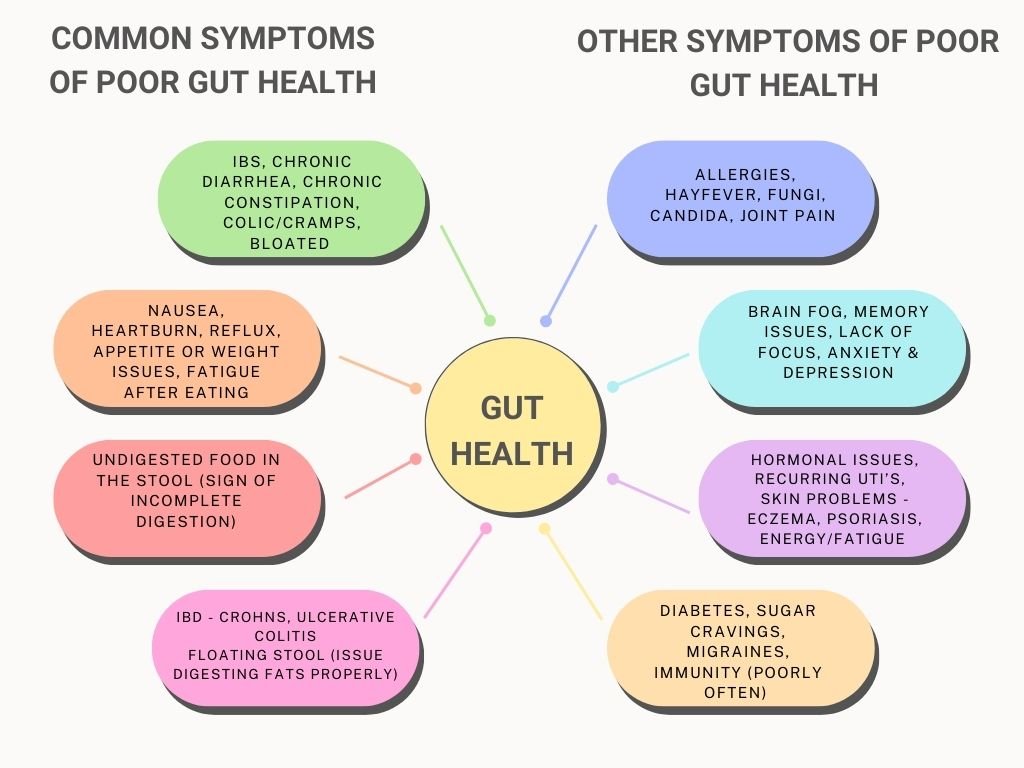
Not feeling your best? Hormones gone crazy? low mood? allergies? Brain fog? tired all the time? Consider your gut health as part of the problem and solution!

Common Causes of Gut Imbalance
In a nutshell, our modern lifestyles do not help; here are specific factors that can affect the gut microbiome;
Medications/drugs – steroids, birth control, PPI’s, Antihistamines, NSAID’s, recreational etc. alter your gut microbiome balance. Antibiotics kill the good and bad bacteria, and a poor diet/lifestyle makes it easier for the bad bacteria to thrive so more illness follows, creating a perpetual cycle of infections.
High stress levels – when we’re in fight/flight / high alert most of the time our digestion doesn’t function properly, and elevated cortisol (our stress hormone) releases a pro-inflammatory chemical and increases the chances of leaky gut.
Sleep – too little disrupts hormone balance and drives cravings
High alcohol consumption – can lead to SIBO, unpleasant digestive symptoms and allow bad bacteria to thrive.
Diets are high in processed food, pro-inflammatory – refined carbohydrates, highly refined seed oils, high sugar, gluten, preservatives, nutrient-poor, and low in fermentable fibres and vegetables.
Dairy – not all people have the enzymes to digest properly so that it can cause havoc in the gut via inflammatory responses.
Gluten- such as wheat, barley and rye, can negatively impact the gut bacteria and lining over time.
Artificial sweeteners – can cause gas and bloating and also disrupt the balance of the gut microbiome (diet drinks, diet foods, ‘low sugar’ foods are the biggest culprits).
Infections (viral, fungal and bacterial e.g. H.pylori).
Chemicals, pesticides, plastics, additives, preservatives – these destroy our beneficial bacteria, leaving our naughty bacteria to take over.
We explore the best homeopathic medicine for stomach problems and more natural remedies for gut health below…
How Homeopathy helps Gut health
Homeopathy for gut health focuses on treating the individual rather than suppressing symptoms. Remedies are selected based on your unique digestive symptoms, emotional state, stress response, food reactions, energy levels and overall constitution. Digestive complaints are often closely linked with anxiety, hormonal changes and nervous system imbalance, which is why homeopathy for stomach problems can be particularly supportive where gut symptoms worsen under stress or emotional strain.
Homeopathy for Digestive Conditions
People often seek homeopathy for gut health support with symptoms such as:
IBS (irritable bowel syndrome)
Bloating and gas
Acid reflux and heartburn
Constipation or diarrhoea
Food sensitivities
Nausea and abdominal pain
Gut symptoms linked to anxiety or hormonal change
Best homeopathic remedies for stomach problems
Here are just a few of many natural homeopathic remedies for gut health, natural remedies for indigestion and gut dysbiosis.
Nux Vomica: Indigestion, heartburn, constipation, painful gas and cramps, bloating, feeling tension, spasms. Worse for overeating, alcohol, coffee, stimulants, or spicy foods. Person can be chilly, irritable. Sometimes, firm pressure on the abdomen can help the pain. With constipation, the urge is there but very little comes out. After diarrhea there may be relief from pain for a little while.
Arsenicum Album: Burning pain, diarrhea, stomach pain, ulcers and restlessness. Good for food poisoning or gastroenteritis but also longer term gut problems benefit from this remedy.
Pulsatilla: Belching, bloating, and diarrhea particularlty after consuming rich fatty foods such as butter, pastries, ice-creams. Changeable or variable appetite, with little thirst. Stools may change each time.
Lycopodium: Indigestion, heartburn, gas, sensation of fullness after eating a small amount, constipation and intense sweet cravings. Lots of burps, burning in the throat, distended abdomen. Symptoms worse between 4-8pm, feel better in the warm, with warm drinks and rubbing the abdomen.
Colocynthis: For nausea with cramping, cutting pains in abdominal, pressure gives relief. Eating friuit or drinking water may make pains worse. Anger, suppressed emotions, leg pain, back pain or gall bladder problems. may be present.
Podophyllum – pain and cramping in the abdomen with a sinking, empty, gurgling feeling and then watery diarrhea. Diarrhea can alternate with constipation, or pasty yellow bowel movements containing mucus. Early mornings tend to be worse, stiffness in joints and muscles. Feeling faint and weak. Rubbing the abdomen can bring some relief.
Argentum nitricum – Anxious, nervous with digestive upsets such as bloating, nausea, rumbling flatulence, greenish diarrhea that is intense, sudden and can come on immediately after drinking water. May crave sweet or salty food. Person can be impulsive, claustrophobic, anxious.
Our Homeobotanical range has organic herbal mixes Gut seal and Gut repair that our clients love.
Please book a free chat if none seem to match, we have many more homeopathic remedies for gut health and natural remedies for IBS.
Lifestyle for a Healthy Gut Microbiome
For a healthy gut, there is a huge amount that you can do to help yourself. I advise on this and more (detoxing, liver, herbs, organ health etc) in my homeopathic consultations for gut health but here is a brief lowdown…
Eat a diverse range of prebiotic and probiotic foods (e.g., yogurt, kefir, sauerkraut, kimchi, vegetables). Reduce processed foods
Increase dietary fibre (fruits, vegetables, legumes).
Stay hydrated with quality water, herbal teas, aloe juice, coconut water and fermented drinks like kombucha.
Prioritise sleep and stress management - both influence digestion and inflammation.
Good quality sleep, exercise, spend time in daylight and nature
Manage blood sugar via balanced meals to reduce dysbiosis.
Use gentle movement (walking, yoga) to support motility and vagus nerve stimulation.
Clear intestinal pathogens (Homeopathy or Homeobotanicals help treat parasites, viruses, candida, fungi etc).
Consider reducing use of over the counter medications and antibiotics, reduce toxic load in general (plastics, pesticides, addictives, preservatives, chemicals)
Frequentely asked questions about Homeopathy for gut health
Q: Can homeopathy really help gut health?
Homeopathy can support gut health by addressing the underlying imbalance contributing to digestive symptoms. Rather than treating symptoms in isolation, remedies are chosen based on the whole person - including digestion, stress levels, emotions and overall vitality.
Q: Is homeopathy suitable for IBS and chronic digestive issues?
Many people explore homeopathy for IBS when symptoms fluctuate, worsen with stress, or have not fully resolved with diet alone. Treatment is individualised rather than diagnosis-based.
Q: How long does homeopathic gut treatment take to work?
Some people notice early shifts within weeks, while chronic digestive issues often require ongoing support over several months as deeper balance is restored.
Q: Can stress and anxiety affect gut health?
Yes. The gut and nervous system are closely connected. Anxiety, emotional strain and hormonal changes such as menopause can strongly influence digestion, which is why homeopathy often addresses both emotional and physical symptoms together.
When making changes seem too big on your own, professional support can be just what you need to guide you in improving your health.
Professional Homeopathic treatment for gut health with Cheryl involves individualised treatment plans, including bespoke natural remedies for IBS, natural remedies for indigestion, homeopathic medicine for stomach problems, gut dysbiosis, leaky gut, SIBO or whatever your individual needs are.
If you would like to have a quick chat to see if Homeopathy or other natural practices could help you with your symptoms, then please book a free discovery call here.
Lots of love and healing,

Cheryl Peavoy helps people to feel better through the use of natural homeopathic medicine. Cheryl is a registered Homeopath, certified Homeobotanical Therapist, Human Chemistry detox practitioner, a Flower essence prescriber and an EFT practitioner and tailors your treatment to your needs. Cheryl consults with clients online world-wide and in person near Manchester, Wilmslow, Macclesfield, Cheshire.
FREE Discovery Call
Take advantage of a free 15 minute discovery call to ask any questions and to see if Homeopathy is suitable for you